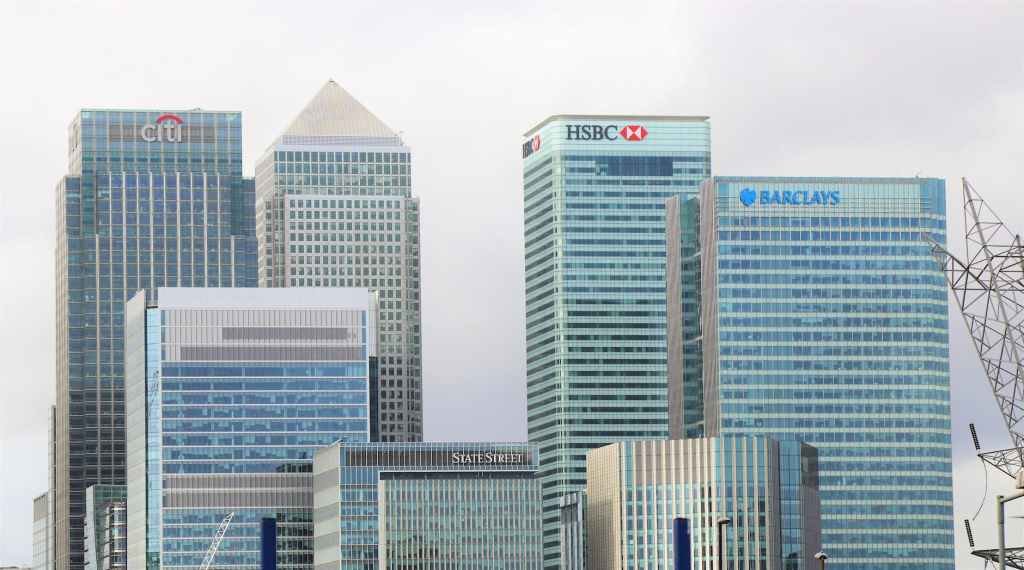
As we venture into 2023, economic uncertainties such as rising inflation rates and recent bank collapses have left many people worried about their personal finances. However, it’s essential to maintain a level-headed approach and not panic. In this blog post, we will explore how to stay debt-free amidst these challenges, and provide practical tips for avoiding the impact of inflation and safeguarding your finances.
Understanding Inflation and Its Effects
Inflation is the rate at which the general level of prices for goods and services is rising, eroding the purchasing power of money. Inflation can have significant consequences on your personal finances, as it reduces the value of your savings and increases the cost of living.
Strategies for Staying Debt-Free and Combating Inflation
- Diversify your investments: Diversify your investment portfolio to include assets that tend to perform well during inflationary periods, such as stocks, real estate, or commodities like gold. This can help you preserve your wealth and maintain financial stability.
- Focus on increasing income: Look for ways to boost your income to keep up with rising costs. Consider negotiating a salary increase, taking on side gigs, or investing in your skills to secure higher-paying jobs.
- Adjust your budget: Reevaluate your budget to account for inflation and prioritize essential expenses like housing, food, and healthcare. Cut back on non-essential spending and allocate more funds towards savings and investments.
- Refinance high-interest debt: If you have existing debt, consider refinancing to secure lower interest rates. This can help you save on interest payments and pay off debt more quickly.
- Build an emergency fund: Strengthen your financial safety net by building an emergency fund with at least 3-6 months’ worth of living expenses. This will provide a cushion in case of unforeseen events such as job loss, medical emergencies, or economic downturns.
- Prioritize debt repayment: Focus on paying off any existing debt as quickly as possible, starting with high-interest debt. Adopt strategies like the debt snowball or debt avalanche method to accelerate debt repayment.
Navigating Bank Collapses and Protecting Your Assets
In light of recent bank collapses, it’s crucial to take precautions to protect your assets and minimize financial risks:
- Choose a reputable bank: Opt for well-established banks with strong financial track records and deposit insurance, which can safeguard your money in case of bank failure.
- Diversify your accounts: Consider spreading your funds across multiple banks to reduce the risk of losing all your money if one bank collapses.
- Stay informed: Regularly monitor the financial health of your bank and stay updated on news and developments in the banking sector. This can help you make informed decisions and take timely action if necessary.
- Maintain a no-debt mindset: Staying debt-free during uncertain economic times can provide you with greater flexibility and financial stability, allowing you to weather financial storms more effectively.
Inflation and bank collapses can pose significant challenges, but maintaining a no-debt mindset and being proactive in safeguarding your finances can help you navigate these uncertainties. By diversifying your investments, focusing on income growth, and taking precautions to protect your assets, you can continue to work towards financial freedom and long-term wealth, even in turbulent times.
Stay tuned for more blog posts on personal finance tips and strategies that will help you stay debt-free and thrive in any economic environment.
 No Debt Mindset
Leave a comment